
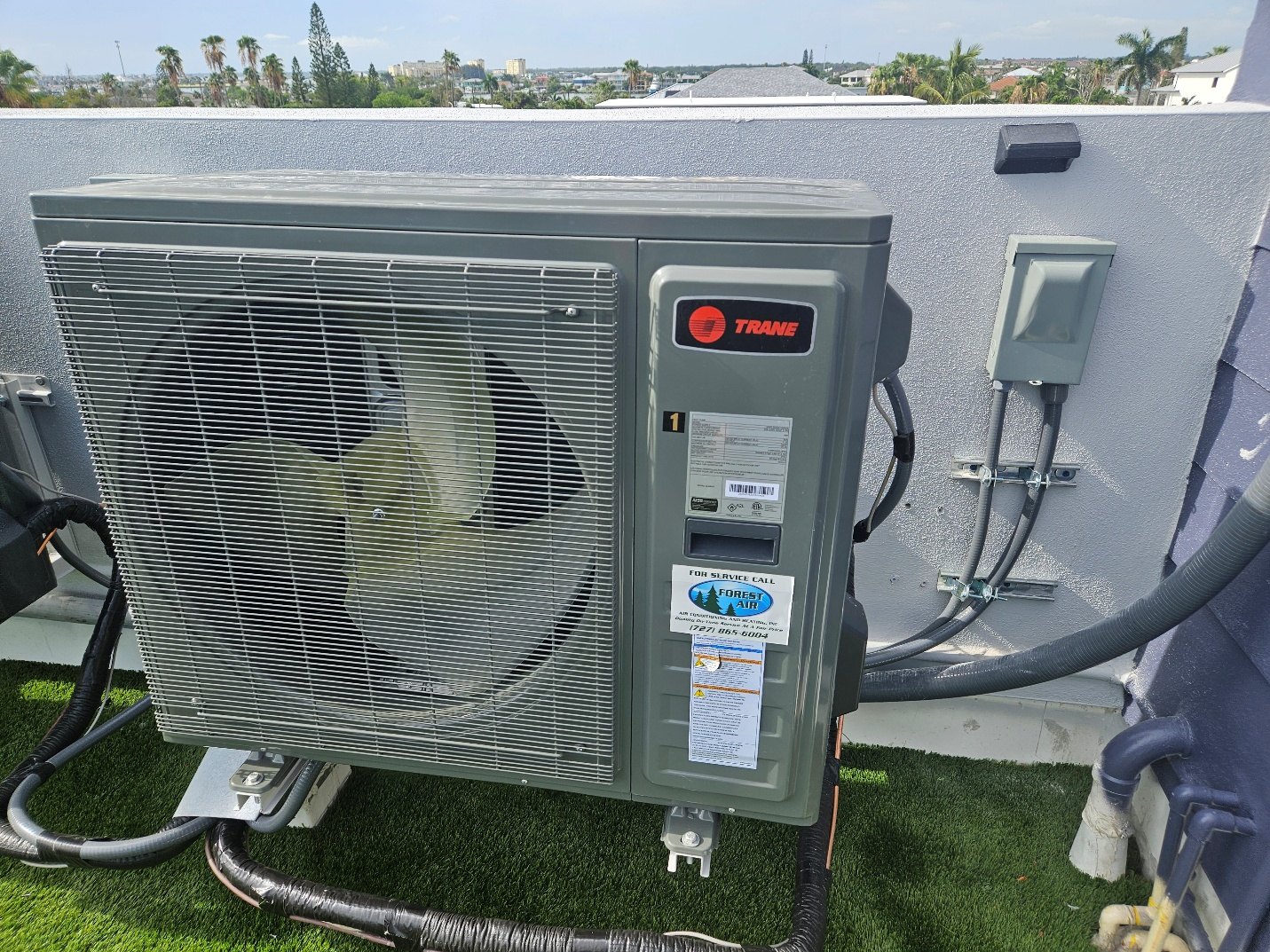
Florida homes place heavy demands on cooling equipment because heat and humidity can linger for much of the year. Comparing different types of HVAC systems helps homeowners choose equipment that fits their layout, comfort preferences, ductwork, and energy goals. Central AC, heat pumps, and mini splits can all work well in Florida, but each option has different strengths.
How Different Types of HVAC Systems Handle Florida Conditions
Florida homeowners need more than strong cooling. A system must also manage indoor moisture, maintain steady airflow, and match the size and layout of the property.
Central AC, heat pumps, and mini splits approach those needs differently, especially when heating services are part of the household plan. Central systems move conditioned air through ducts, while mini splits send air directly into individual zones without a traditional duct network.
Central AC for Reliable Whole-Home Cooling
Central air conditioning remains a familiar choice for Florida houses with existing ductwork. An indoor air handler works with outdoor equipment to send cooled air through supply ducts, making it practical for families that prefer one thermostat and consistent temperatures across several rooms. Unlike a heat pump, a standard central air conditioner only provides cooling, so the home needs another source of heat for cooler weather.
Humidity control is another important factor. A properly sized central system can cool the home while removing moisture, and it can work with whole-home humidity controls when more consistent moisture management is needed.
Leaky or poorly insulated ducts can waste conditioned air and leave some rooms warmer than others.
Central Heat Pumps for Heating and Cooling in One System
A central heat pump resembles central AC in the way it distributes air, but it can reverse operation to heat the home during cooler weather. That makes it attractive in Florida, where homeowners often need extensive cooling and relatively modest winter heating.
This design lets one system handle both seasonal needs through the same duct network. Homes with good ducts can often adopt a central heat pump without separate heating equipment.
Central heat pumps also suit open floor plans and homes that need consistent filtration or dehumidification. With one main indoor air handler and fewer filters, maintenance may also feel simpler than a multi-zone mini-split setup.
Mini Splits for Flexible Zoned Comfort
Ductless mini-split systems use an outdoor unit connected to one or more indoor units. Many mini splits are heat pumps that provide both cooling and heating, although cooling-only models are also available. Each indoor unit conditions its own room or zone, giving homeowners direct control over areas with different cooling needs.
That zoning makes mini splits useful for converted garages, additions, guest suites, home offices, and older properties without practical ductwork. They can also address stubborn hot spots without replacing a functional central system.
Ductless operation can reduce distribution losses because cooled air does not travel through long duct runs. Homeowners can also avoid conditioning unused rooms at the same level as occupied spaces.
The tradeoffs include visible indoor units and more individual filters when a home uses several zones. Multiple indoor heads can also raise installation costs when the system serves an entire house.
Comparing Efficiency, Humidity, and Comfort
Efficiency ratings matter, but they do not tell the whole story in Florida. Equipment sizing, airflow, insulation, thermostat settings, duct condition, and installation quality all influence energy use and indoor comfort.
Mini splits often gain an efficiency advantage by avoiding duct losses and allowing room-by-room control. Central systems can still perform efficiently when ducts are tight, well designed, and maintained.
Humidity deserves equal attention. An oversized unit may cool a space quickly without running long enough to remove enough moisture, while a properly matched system can maintain a more balanced indoor environment.
During a sudden failure in peak summer weather, access to emergency HVAC service also becomes part of the practical equation. A reliable system still needs professional maintenance and timely repair because Florida cooling equipment can operate for long periods under heavy demand.
How Ductwork Changes the Best Choice
Existing ducts can make central AC or a central heat pump more economical to install because the air-distribution network is already in place. Homeowners should have ducts checked for leaks, damage, restrictions, and poor insulation before choosing either system.
Homes without usable ducts present a different calculation. Installing a new duct network can add cost and disruption, making mini splits more appealing for older houses, remodels, and spaces not designed for central cooling.
A hybrid setup can also work well. A central system may cool most of the home while a mini split handles a converted garage, bonus room, or office that needs independent control.
Which HVAC System Types Fit Different Florida Homes?
Central AC often fits households that already have good ductwork, want concealed equipment, and prefer one system serving many rooms. It is especially practical when whole-home cooling and consistent moisture control matter more than individual room settings.
A central heat pump fits similar homes but adds heating capability in the same equipment. Homeowners who want one ducted system for warm and cool weather may find that setup more convenient.
Mini splits fit homes where zoning, installation flexibility, or the lack of ductwork carries more weight. They are also useful when one area regularly needs a different temperature from the rest of the property.
For homeowners in St. Petersburg and surrounding Pinellas County communities, local conditions should guide the choice. Coastal humidity, long cooling seasons, property age, insulation, room layout, and duct condition can all change which option makes the most sense.
Choosing the Right System for Long-Term Comfort
The best equipment is not automatically the system with the highest efficiency rating or lowest upfront price. Homeowners should compare installation needs, operating patterns, maintenance demands, zoning preferences, humidity control, and existing equipment before deciding.
Professional AC installation and replacement guidance can help identify load requirements and determine if repair, replacement, or a different system design is the better path. Routine maintenance also helps preserve airflow, cooling performance, and reliability through Florida’s long warm season.
Central AC, central heat pumps, and mini-splits all have a place in Florida homes. The right choice comes from matching the equipment to the property instead of forcing the property to fit a preferred system.
Find the Right HVAC System for Your Florida Home
At Forest Air Conditioning & Heating Inc., we can assess your home and recommend an AC installation or replacement option suited to your comfort needs and property layout. Contact us to request an estimate and discuss your options with one of our certified technicians.
FAQs
What type of HVAC system is best for a Florida home?
There is no single system that fits every Florida home. Central AC often works well when good ductwork already exists, while a heat pump can handle both heating and cooling. Mini splits are useful for homes without ducts, additions, and rooms that need separate temperature settings. Home layout, humidity control, existing ducts, and budget should guide the decision.
Are heat pumps a good choice for Florida homes?
Yes. Heat pumps can cool a home during Florida’s long warm season and reverse operation to heat it during cooler months. Since Florida winters are generally mild, homeowners can use one system for year-round temperature control rather than relying on separate cooling and heating equipment.
Are mini splits more efficient than central AC?
Mini splits can reduce energy losses associated with ductwork and allow homeowners to condition individual rooms instead of cooling every area equally. Their actual efficiency still depends on equipment sizing, installation, usage habits, and the number of indoor units. Central AC can also operate efficiently when the system and duct network are correctly sized and maintained.
Should I choose central AC if my home already has ductwork?
Central AC can be a practical choice when existing ducts are in good condition and distribute air evenly throughout the home. Homeowners should have the ductwork checked for leaks, damage, insulation problems, and airflow restrictions before installing a new system. If the ducts need extensive work, a ductless option may deserve consideration.