
Water around indoor cooling equipment can be alarming, especially during a humid Largo day. If you are asking “why is my AC leaking water,” the problem often involves condensation that is no longer draining correctly. Finding the source early can limit water damage and prevent a larger cooling problem.
A Clogged Condensate Drain Line
Your AC removes moisture from indoor air and sends condensation through a drain line. Dust, algae, dirt, or sludge can build up until water backs up near the indoor unit.
This blockage is a common reason homeowners need air conditioning repairs for water around an AC system. A technician can clear the line and check that condensation drains normally.
A Dirty Air Filter
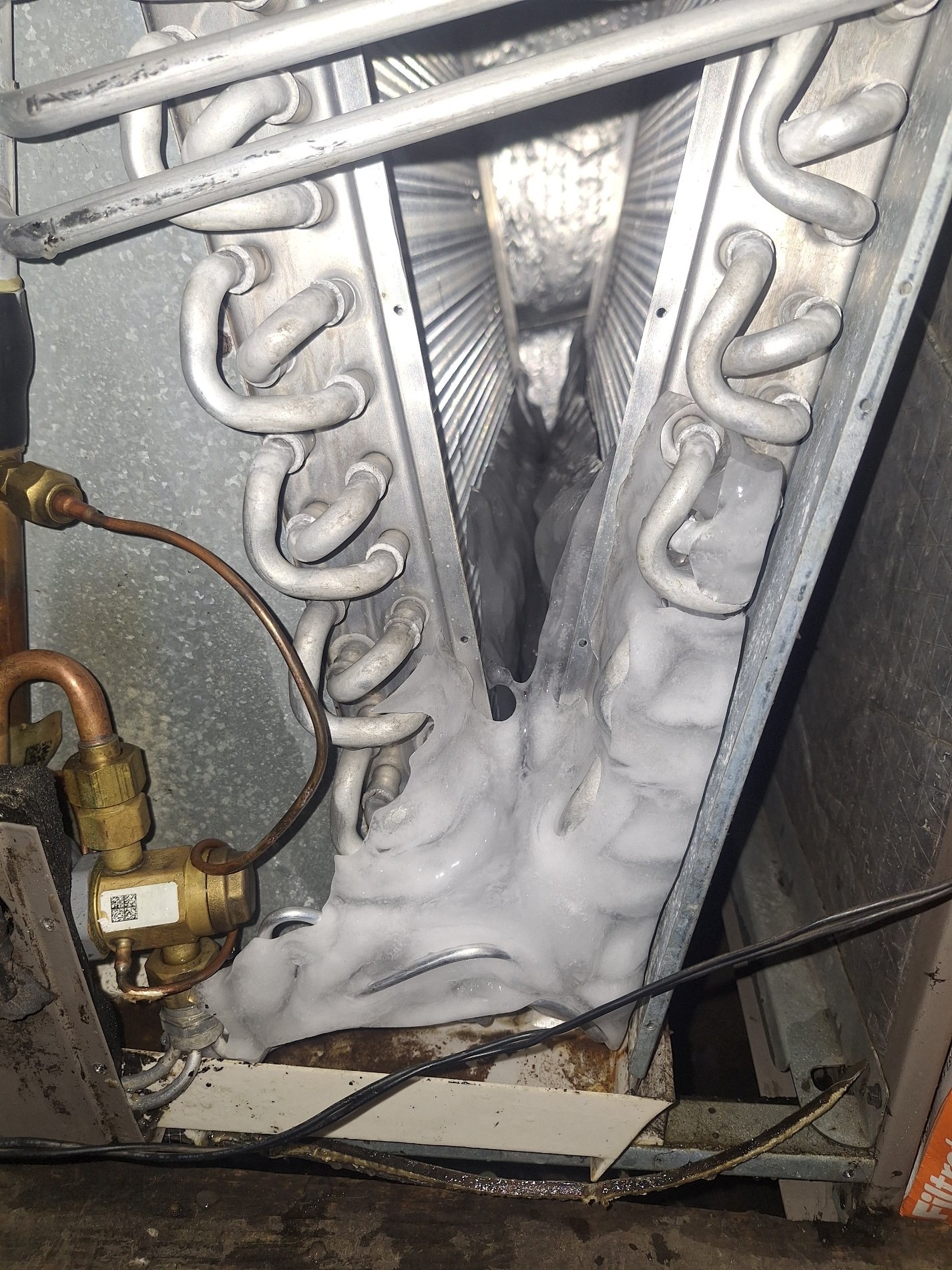
A dirty filter limits air moving across the evaporator coil. With too little airflow, the coil can become unusually cold, and moisture may freeze instead of draining away.
As the ice melts, the drain pan may receive more water than it can handle. Replacing a clogged filter can restore airflow, but recurring ice calls for closer inspection.
A Frozen Evaporator Coil
A frozen evaporator coil is not always caused by the filter alone. Other airflow restrictions or a refrigerant problem can also let ice develop across the coil.
You may notice weak cooling, longer run times, or visible ice before water appears. Turn the system off if the coil is heavily frozen, since continued operation can worsen the problem.
A Damaged or Rusted Drain Pan
The drain pan beneath the evaporator coil catches condensation. Over time, an older metal pan may rust, crack, or form holes that let water escape before reaching the drain.
A damaged pan can create a steady leak even when the drain remains open. Replacing the pan may solve the leak, but nearby materials should be checked for moisture damage.
Low Refrigerant or a Refrigerant Leak
Low refrigerant can change pressure and temperature inside the system. That change may freeze the evaporator coil, followed by leaking water when the ice thaws.
Refrigerant does not normally disappear during routine operation. If you are asking, “why is my air conditioner leaking water” while cooling has weakened, a refrigerant leak may need diagnosis.
A Failing Condensate Pump
Some systems use a condensate pump when gravity cannot move water to a suitable drain. If the pump fails, moisture can remain in the reservoir until it overflows near the indoor equipment.
A technician can test the pump, float switch, tubing, and electrical connection. This can explain leaks when the drain line looks clear.
Improper AC Installation
An indoor unit that is not level can keep condensation from flowing toward the correct drain point. Poor drain-line routing can also leave water sitting in the pipe or moving in the wrong direction.
Installation-related leaks may appear soon after a system is fitted or become noticeable later. Correcting the pitch or drainage layout may stop the leak without replacing the system.
Condensation Around Vents or Ductwork
Not every water stain near a vent comes from a leaking drain pan. Warm, humid air can meet a cold vent or poorly insulated duct surface, creating condensation that drips onto ceilings, walls, or floors.
Gaps around vents and ductwork running through hot attic spaces can make this moisture more noticeable. Better sealing or insulation may solve the problem when the AC itself drains normally.
When an AC Water Leak Needs Professional Attention
Some condensation is normal, but water pooling inside the home is not. If changing the filter does not help, or if you see ice, weak cooling, repeated backups, or water near electrical parts, arrange AC repair in Largo, FL rather than repeatedly cleaning up the leak.
Prompt diagnosis can uncover a clogged drain, frozen coil, failed pump, refrigerant issue, or damaged component before more moisture reaches your home. Regular maintenance and professional air conditioning services can also catch drainage and airflow problems before another leak develops.
Stop the Leak and Restore Reliable Cooling
Water around your AC should not become a normal part of summer. The right repair depends on where the moisture starts, so a proper inspection can save time and help prevent the same problem from returning.
Schedule AC Leak Repair in Largo
At Forest Air Conditioning & Heating Inc., we offer AC repair and maintenance for Largo homes and light commercial properties, with service available weekdays, weekends and holidays when cooling problems cannot wait. Call us or schedule an appointment, and our certified technicians will find the leak source and recommend the right repair.
FAQs
Why is my AC leaking water inside my home?
Your AC may leak water when the condensate drain becomes clogged, the drain pan develops damage, or the evaporator coil freezes. A drainage problem can make condensation back up and spill around the indoor unit instead of leaving the home normally.
Can a dirty air filter cause my AC to leak water?
Yes. A heavily clogged air filter can restrict airflow across the evaporator coil, which may contribute to freezing. When that ice melts, the resulting water can overflow the drainage system and appear around the indoor unit.
Should I turn off my AC if it is leaking water?
Turning the system off is a sensible step when water is pooling around the indoor unit, especially if you also notice ice or weak cooling. Continued operation may allow more condensation to collect while the underlying drainage or cooling problem remains unresolved. A technician can identify the source before the system goes back into regular use.
Can poor AC installation cause a water leak?
Yes. An incorrectly positioned condensate pan or poorly arranged drainage setup can keep water from leaving the system as intended. Water may then collect and leak into other parts of the equipment or surrounding area.