
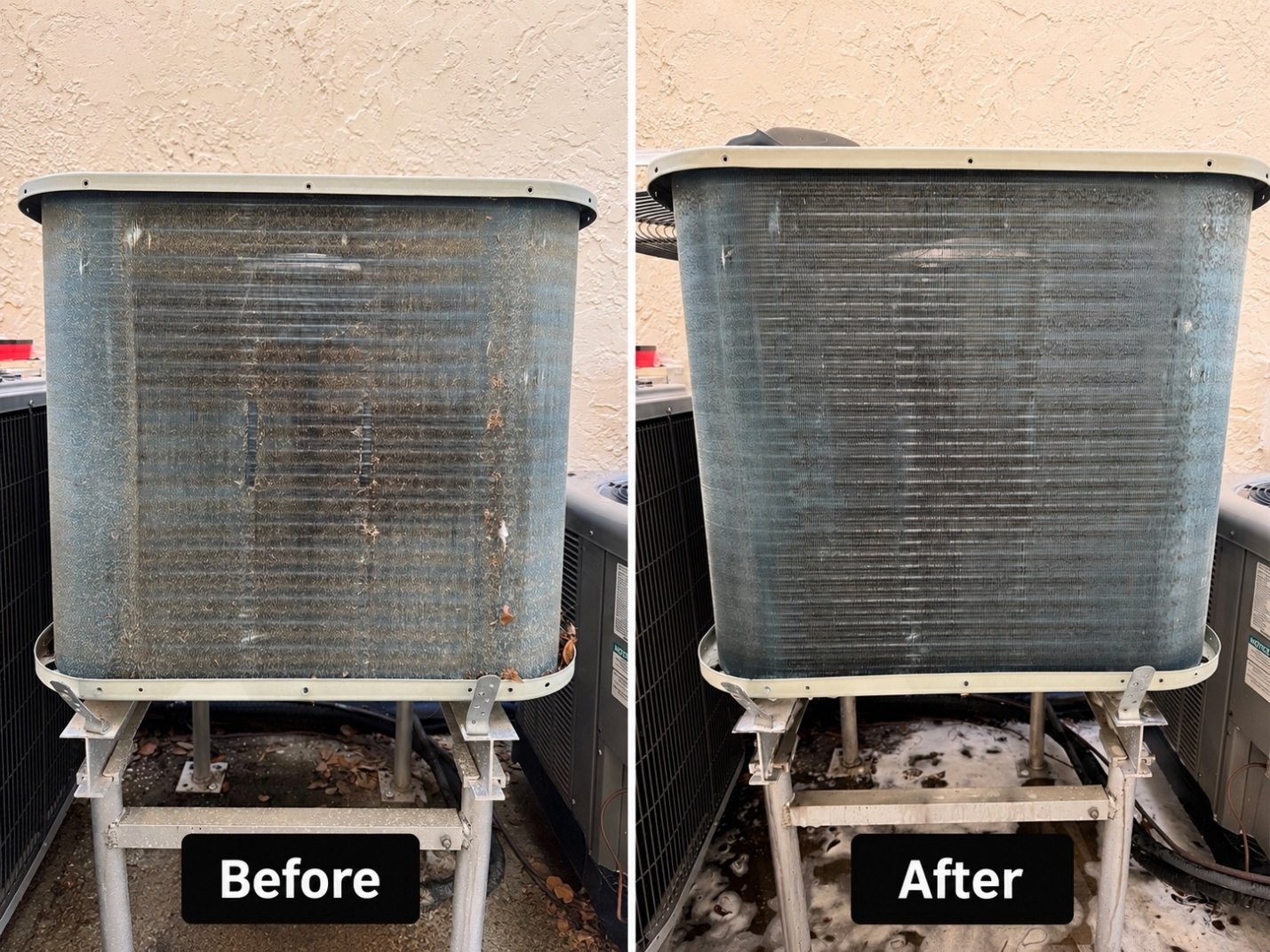
Pinellas Park homeowners rely on air conditioning for much of the year, so small maintenance habits can improve comfort and performance. A practical AC maintenance checklist helps you catch airflow, drainage, thermostat, and outdoor-unit problems before they become larger repairs. It also gives you a routine for preparing your system before Florida’s hottest months arrive.
Why an AC Maintenance Checklist Matters in Pinellas Park
Pinellas Park’s long cooling season places steady demands on residential air conditioning systems. Heat, humidity, frequent run times, and outdoor debris can affect how well an AC unit cools a home.
Regular air conditioning maintenance helps the system move air properly, remove indoor moisture, and operate without unnecessary strain. It also gives a technician a chance to find worn parts, electrical concerns, or refrigerant problems before a breakdown interrupts your comfort.
Homeowners looking for AC maintenance in Pinellas Park, FL should treat one as seasonal prevention rather than a response to failure. A planned inspection before heavy summer use can reduce the risk of a sudden cooling problem.
Start Your AC Maintenance Checklist With the Air Filter
The air filter is simple to check, yet it has a major effect on airflow. A dirty filter makes the blower work harder and can reduce cooled air reaching your rooms.
Check the filter every month during frequent use. Many filters need replacement every one to three months, but homes with pets, allergy concerns, or heavy dust may need changes more often.
Do not wait until the filter looks packed with dirt. Severe airflow restriction can contribute to a frozen evaporator coil and weaker cooling.
Check Supply and Return Vents
Walk through the home and look at each supply and return vent. Dust, furniture, rugs, curtains, or stored items can block airflow and leave some rooms warmer.
Vacuum dusty vent covers and move objects sitting directly in front of them. Keep supply vents open unless an HVAC professional has recommended a different setup.
If changing the filter and clearing vents does not improve airflow, a technician should inspect the blower, ductwork, coil, or related components.
Review Thermostat Settings and Operation
Make sure the thermostat responds when you change the cooling setting. Replace batteries when needed, and review programmed schedules if you use a programmable or smart thermostat.
Avoid setting the thermostat far below the temperature you want. A very low setting does not cool the house faster and can keep the system running longer.
Erratic operation, inaccurate readings, or ignored temperature changes can point to a thermostat, sensor, wiring, or control problem.
Keep the Outdoor Condenser Clear
The outdoor condenser needs open space around it to release heat. Leaves, grass clippings, weeds, branches, and other debris can gather around the cabinet and restrict airflow.
Keep roughly two feet of clear space around the unit when possible. Trim nearby vegetation and remove loose debris without bending coil fins or disturbing electrical components.
Light surface dirt may be rinsed gently when the system is off, but deep coil cleaning belongs to a trained technician.
Inspect the Condensate Drain
Your AC removes moisture from indoor air as it cools, and that water must drain away correctly. Dirt, algae, and sludge can collect in the condensate line and create a blockage.
Look for standing water near the indoor unit, musty odors, or unexpected moisture around the drain area. These signs can point to a restricted line or drainage problem.
Some homeowners use warm water or vinegar for light drain-line upkeep when the system design allows it. Persistent clogs, repeated leaks, or a backed-up drain pan should be handled by a technician.
Look Over Accessible Ductwork
Check visible duct sections for loose connections, tears, gaps, crushed material, or places where conditioned air may escape. Damaged ducts can send cooled air into attics, garages, or wall cavities instead of occupied rooms.
Do not rely on household tape for significant duct damage. If several rooms stay uncomfortable while the AC runs normally, professional duct testing can help locate air loss.
Watch for Ice and Refrigerant Warning Signs
Homeowners should never handle refrigerant or open a sealed refrigeration circuit. You can still watch for ice on refrigerant lines, frost near the indoor coil, hissing sounds, warm air, or unusually long cooling cycles.
A frozen system should not be ignored. Turn it off if heavy ice develops and arrange service so a technician can check refrigerant, airflow, coils, and other possible causes.
Pay Attention to Cooling Cycles, Noises, and Odors
Your AC should follow a fairly consistent pattern during normal operation. Frequent starts and stops, short cycles, or almost continuous running can signal a developing problem.
Listen for grinding, banging, squealing, rattling, or buzzing. These sounds can come from loose parts, fan problems, motors, electrical components, or mechanical faults.
Odors matter too. A musty smell can indicate moisture buildup, while a burning odor can point to an electrical or mechanical problem.
Track Cooling Performance and Energy Use
Notice weak airflow, warmer rooms, longer cooling times, or difficulty reaching the thermostat setting. These symptoms can appear before the system stops cooling completely.
Compare electricity use from month to month when weather conditions are similar. A sharp, unexplained increase may mean the system is running longer because of an airflow, coil, refrigerant, or mechanical problem.
AC maintenance works best when homeowners respond to these changes early. Waiting for a complete shutdown can turn a manageable issue into a more disruptive repair.
Know When Maintenance Has Become an AC Repair
Routine maintenance makes sense when the system operates normally and needs cleaning, inspection, testing, and seasonal care. Repair becomes the better choice when the AC shows clear signs of malfunction.
Call for service if the system blows warm air, leaks water, freezes, makes loud noises, gives off burning odors, repeatedly shuts down, or fails to start. These problems need diagnosis rather than another filter change.
Professional work is also appropriate for refrigerant leaks, electrical repairs, compressor problems, deep coil cleaning, and detailed airflow testing.
Schedule Professional AC Maintenance Before Summer
For most central AC systems, an annual professional tune-up gives the equipment a thorough inspection before peak cooling demand. Heat pumps and some ductless systems may need service twice per year because they can operate across more seasons.
A technician can inspect coils, motors, electrical connections, refrigerant conditions, drainage, airflow, and overall cooling performance. This level of AC maintenance goes beyond the homeowner tasks on a basic checklist.
Spring is a practical time to schedule service in Pinellas Park because developing problems can be addressed before the hottest weather arrives.
Use the Checklist Throughout Pinellas Park’s Cooling Season
A checklist works best when you return to it throughout the months when your AC runs hardest. Recheck filters, vents, thermostat operation, drainage, condenser clearance, and cooling performance instead of waiting for a failure.
If basic upkeep does not correct a change in comfort or performance, arrange professional air conditioning services before the issue grows. Early attention can limit unnecessary strain and reduce the chance of losing cooling during hot weather.
Keeping up with simple tasks and scheduling professional service at the right time gives your AC a better chance to handle Pinellas Park’s long cooling season reliably. Consistent care can also help you catch minor issues before they lead to costly repairs or unexpected breakdowns.
Keep Your Pinellas Park AC Ready for the Heat
At Forest Air Conditioning & Heating Inc., we provide professional AC maintenance for homes and light commercial properties throughout Pinellas County. Our certified technicians can inspect your system, identify developing problems, and help prepare your air conditioner for Florida’s cooling season. Call us to schedule service or ask about joining our Cool Club maintenance plan.
FAQs
How often should I schedule AC maintenance in Pinellas Park, FL?
Most central air conditioning systems should receive professional maintenance at least once a year. Scheduling service before the hottest part of the year gives a technician time to inspect the system, clean key components, check operating conditions, and identify developing problems before heavy summer use.
How often should I change my AC filter?
Many residential HVAC filters need replacement every one to three months. Homes with pets, heavy dust, allergy concerns, or frequent AC operation may need more frequent filter changes. Check the filter monthly so you can replace it before dirt buildup begins restricting airflow.
What AC maintenance can homeowners do themselves?
Homeowners can replace air filters, vacuum vent covers, check thermostat settings, remove debris around the outdoor condenser, and watch for changes in cooling performance. You can also look for visible water, ice, damaged ductwork, or unusual odors. Refrigerant work, electrical repairs, compressor problems, and deeper equipment cleaning should be handled by a trained HVAC technician.
What are the signs that my AC needs repair instead of routine maintenance?
Warm air, weak airflow, repeated short cycling, loud grinding or banging noises, burning odors, ice buildup, and water leaks can indicate a repair problem. A sudden change in cooling performance or unusually long run times also deserves professional attention rather than another basic maintenance task.